The Lowdown with Dr. D - Page 2
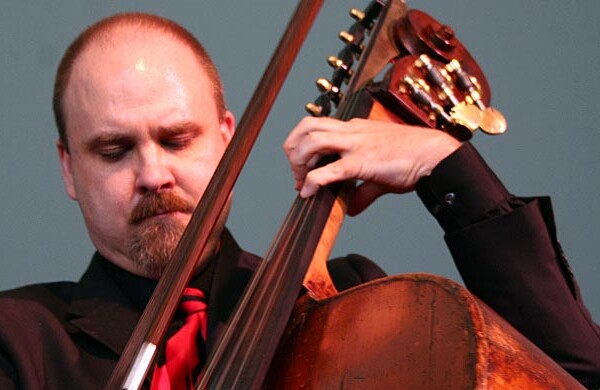
My Double Bass Setup: Part 1 – The Bow
Usually in this column I talk about general double bass (upright bass) subjects, or answer specific questions that I think will be of benefit to the largest number of readers. Lately, however, I’ve been getting a great many questions about my personal bass setup. So, in the next few columns I’m going to go through some of the things that...
Should I Play French or German Bow?
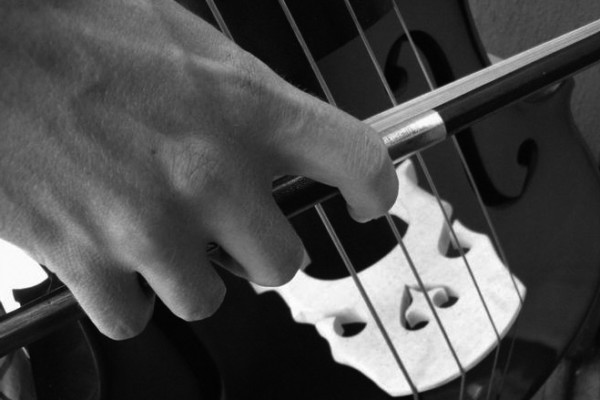
Q: I’m just starting out and I can’t figure out if I should play French or German bow? – Marisol G. A: One of the seemingly most controversial, yet entirely manufactured non-controversies among double bass players is whether one should play using an overhand (aka “French”) bow or an underhand (aka “German”) bow. Note: “German” and “French” are used here...
Dealing with Stamina Issues on Bass
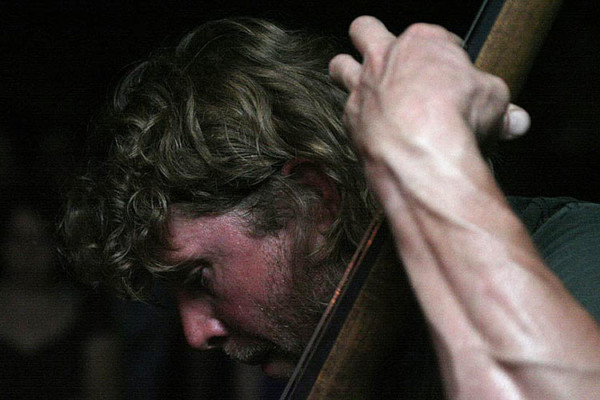
Q: I’ve been playing upright for the past few months, and I’m having some stamina problems in my left hand. Someone said that maybe the neck is too thick. Do you think having the neck thinned out would help with my stamina? Thanks! – Marian A: It’s great to hear you are playing upright bass these days! Welcome! Thinning out...
Maximizing Resonance with the Bow
If you play the bass long enough you’ll hear someone talking about making a “resonant” sound. When we are searching for a resonant sound we are attempting to create an unrestricted sound, one with some “depth,” where the strings and the bass itself both vibrate freely. Obviously, some basses vibrate more easily than others. These tend to be the more...
Getting Started: A Beginner’s Guide to Improvising a Bass Line
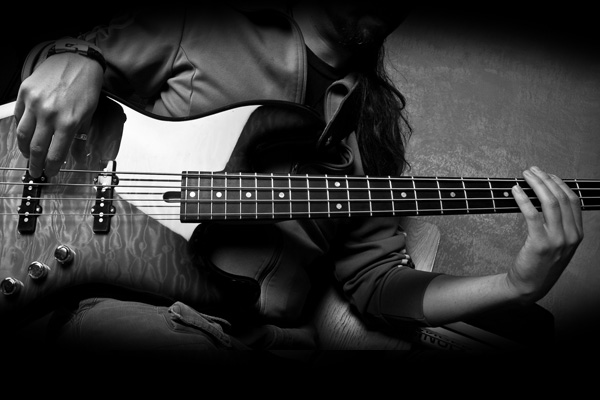
Whether you are a beginning bassist, or an accomplished musician who is simply accustomed to reading written music, it can be daunting when first asked to improvise a bass line. Some people stumble, others freeze. Some think they need to be well versed in college level theory. However, there is no reason to fear even if you know only a...
Some Thoughts on Playing at Fast Tempi
At some point, someone at the gig is going to call a tune at breakneck speed. Trying to keep solid time at a blistering pace can be physically and mentally exhausting for a bassist. We might drag, or miss a change. We can help mitigate these issues by applying a few ideas when playing an exceptionally upbeat tune. Breathe We...
Why Memorize Music?
Some musical situations all but require the use of printed music. For example, larger ensembles, such as a Jazz Big Band or a Symphony Orchestra, universally use printed music. This is primarily due to the complexity of the compositions/arrangements, the short rehearsal time for each work, the sometimes-enormous length of the works, etc. However, in smaller groups (i.e. jazz combos...
Working with Printed Transcriptions
Studying transcriptions of masterful performances can provide a wealth of learning material for a musician. Musically speaking, we will gain the most by completing our own transcriptions, entirely by ear, of course. However, there is still a great deal to be gained by working from published transcriptions by other musicians, provided we approach them in the right way. Certainly there...
Keeping Time in Jazz
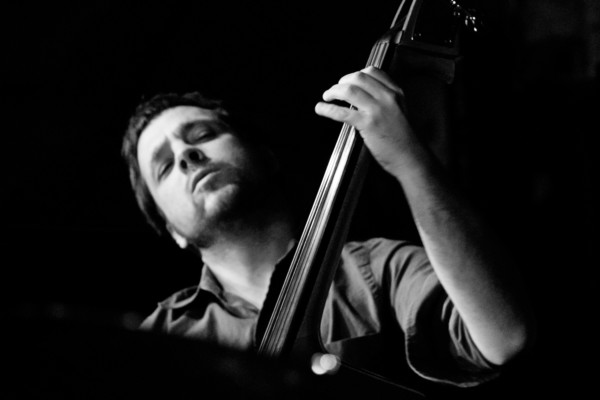
I love a good bass solo as much, or probably more, than the next person. In the band, however, our most important job is to “keeping time.” Below are a few things we can do in the practice room to help improve our “time” before we get to the gig. Pick a tune you know well, i.e. by memory, and...

When You Can’t Get To It All In Practice Sessions
One of our No Treble readers has this to say: I understand how to structure my practice, but I’m still having trouble figuring out how to set up practice sessions because I have so much stuff to work on. I’m a bit frustrated. Do you have any suggestions? The first thing I’d suggest is to check out this column on...
Introduction to “Shell Voicings” on Bass
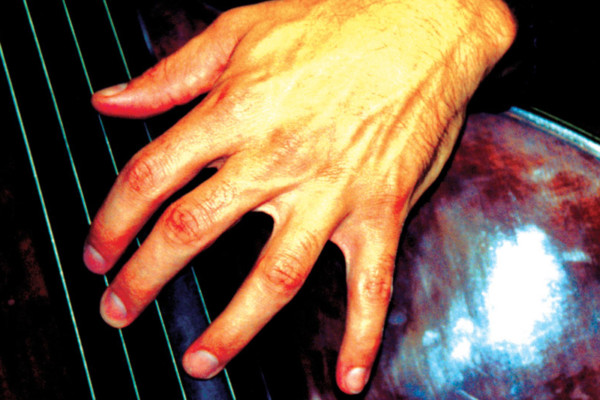
Playing chords on the upright doesn’t only add to our tonal palette, it also strengthens our knowledge of a tune and our instrument. Some voicings, however, are more pleasant than others. Three and four note chords can easily become “muddy” and unclear, especially in the mid to lower register. As a result, many bass players choose to play Shell Voicings,...
Practice Slow/Practice Fast
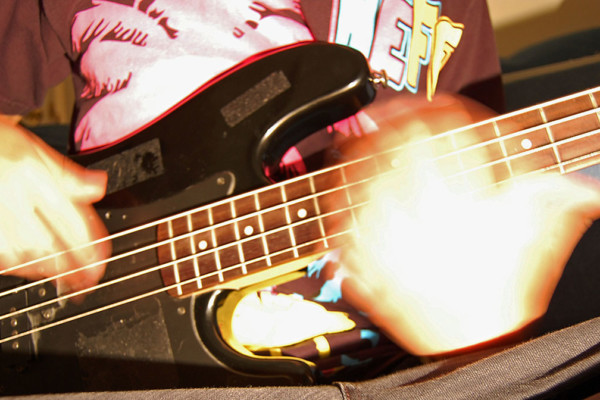
“Slow practice is fast practice” they say. To be sure, slow practice is a powerful strategy. Used by itself, however, it is incomplete. Ultimately, to perform fast passages well, we will need to have practiced them at full speed. In fact, if we are not careful, solely practicing a passage under tempo can drive us into a rut. It can...